Fungal Innovations at VTT — Turning Science into Sustainable Solutions
In this article, Antti Aalto, Research Team Leader at VTT, shares how fungi are shaping sustainable industries, what makes VTT a leader in the field, and advice for emerging startups in fungal biotechnology.
VTT (the Technical Research Centre of Finland), a proud partner of The Future is Fungi Award, has been turning cutting-edge research into practical innovations for over 80 years. Fungal biotechnology is one of their most promising areas, transforming how we produce food, materials, and sustainable chemicals.
Successful fungal startup spin-offs like Onego Bio and Enifer shows how VTT is one of the leading institutes in turning fungal research into viable commercial solutions.
VTT highlights the power of collaboration, much like a mycelium network, where connections strengthen the whole system. With their experts, world-class facilities, and decades of microbial research, they are advancing solutions across research, startups, and industry, enabling fungal innovations to scale and create real-world impact. This also makes them a great partner for fungal startups out there in further developing and scaling their innovations for global impact.
What specific domains do you work with when it comes to fungi in applied science and innovation (such as food, materials, agriculture, etc.)?
At VTT, we have been working with fungal technologies and platforms since the early 1980s, applying them across a wide range of domains. Our early work focused on filamentous fungi to produce industrial enzymes, such as cellulases, which these organisms naturally produce. Over the years, these same platforms have been expanded and adapted for many other applications.
For example, we have developed processes for producing food ingredients like egg and milk proteins, pharmaceutical proteins such as vaccines and antibodies, and advanced material proteins like spider silk. In addition to recombinant protein production, fungi are also used as single-cell proteins, where the entire biomass serves as a sustainable source of nutrition for food and feed applications. This versatility highlights the unique role fungi can play in advancing solutions for food security, healthcare, and next-generation biomaterials.
You have some incredible fungal innovation spin-offs from VTT, such as Onego Bio and Enifer. Can you tell us more about them?
Yes, VTT has been very active in spinning out innovations in precision fermentation, particularly for novel food products.
One example is Onego Bio, which uses VTT’s filamentous fungus Trichoderma reesei to produce Bioalbumen®, an animal-free egg protein. This process is highly resource-efficient, requiring 95% less land and 97% less water than conventional egg production, while cutting greenhouse gas emissions by nearly 90%. Recently, Onego Bio also received a ‘no questions’ letter from the U.S. FDA, which strengthens the regulatory pathway for its use in food applications.
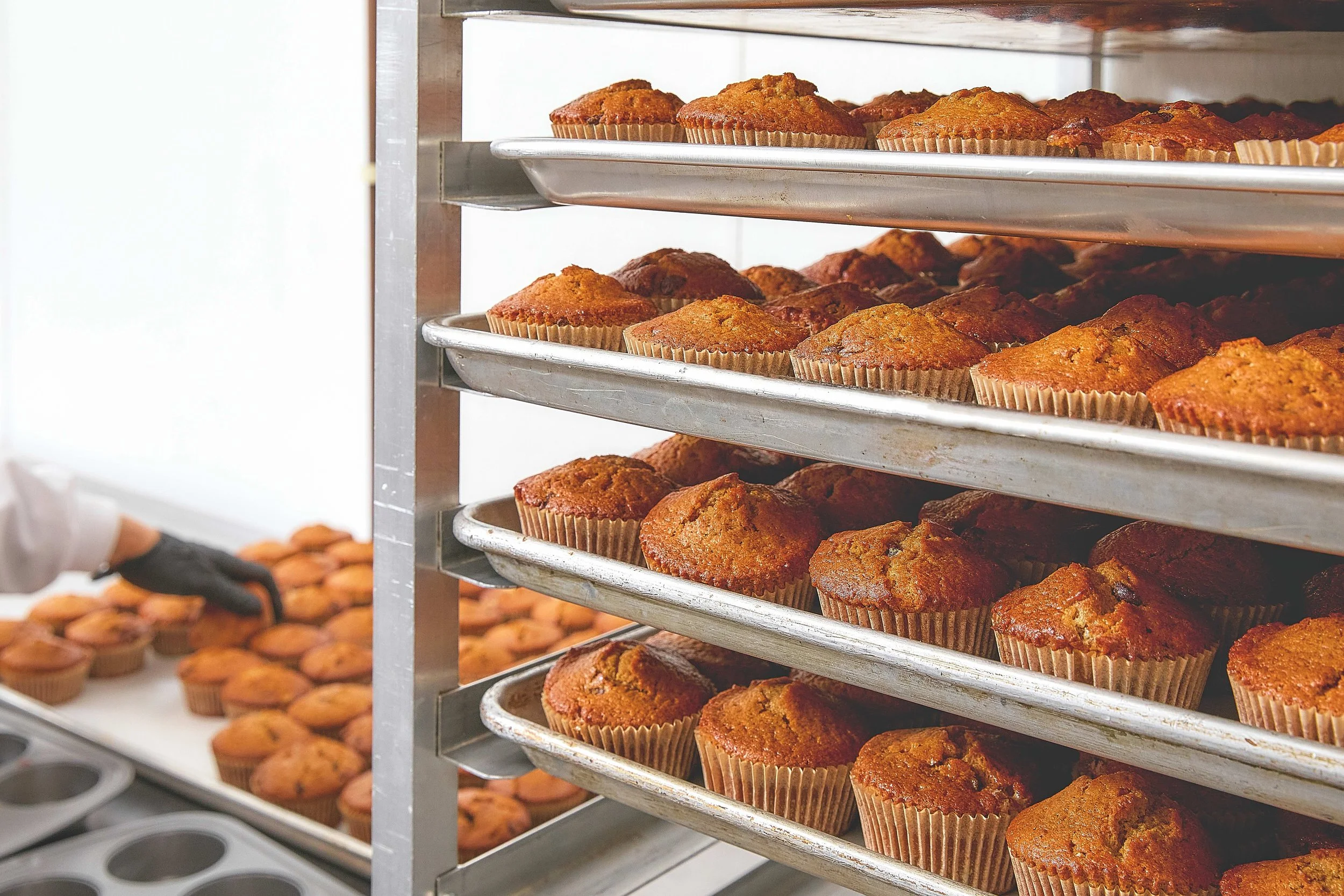
Another great example is Enifer, which is commercializing Pekilo®, a mycoprotein originally developed in Finland in the 1970s as one of the world’s first commercial mycoproteins. Today, Enifer has advanced this technology to produce sustainable protein ingredients for food, pet food, and aquafeed by utilizing industrial by-products as feedstock. The company has already achieved self-affirmed GRAS status in the U.S. and is now building its first large-scale factory in Finland.
Together, these spin-offs show how fungal technologies can be translated from research to real-world solutions, driving sustainability in the food system.
VTT is regarded as one of the leading research institutes in fungal innovations. How did you reach that position?
VTT has been at the forefront of Finnish and international biotechnology for decades, recognizing the potential of fungi early on. Since the 1980s, we have supported cutting-edge microbial research and attracted exceptional talent to study various fungal organisms. Through a combination of basic research and customer projects, our scientists have made significant discoveries advancing fungal understanding and technology.
This work is supported by world-class infrastructure, including a bioprocessing facility with more than 80 bioreactors and a state-of-the-art bioanalytics core. Additionally, the VTT Culture Collection houses more than 600 fungal species from 255 genera of filamentous fungi and yeasts.
How do you work with and support fungi startups?
We support fungi startups in various ways, depending on their research and development needs. Our experts and infrastructure are available through contract R&D projects, and we also provide access to VTT’s proprietary technologies via licensing.
These contract projects are customized for each client, with proposals developed in close discussion to ensure the best fit. Typical projects include strain engineering, bioprocess optimization, piloting, purification, and analytical work. We can also support related areas such as chemical processes, biomass processing, material formulation, and food ingredient processing.
Can you elaborate on your infrastructure and bioreactor capacity, and how you typically work with startups and corporates?
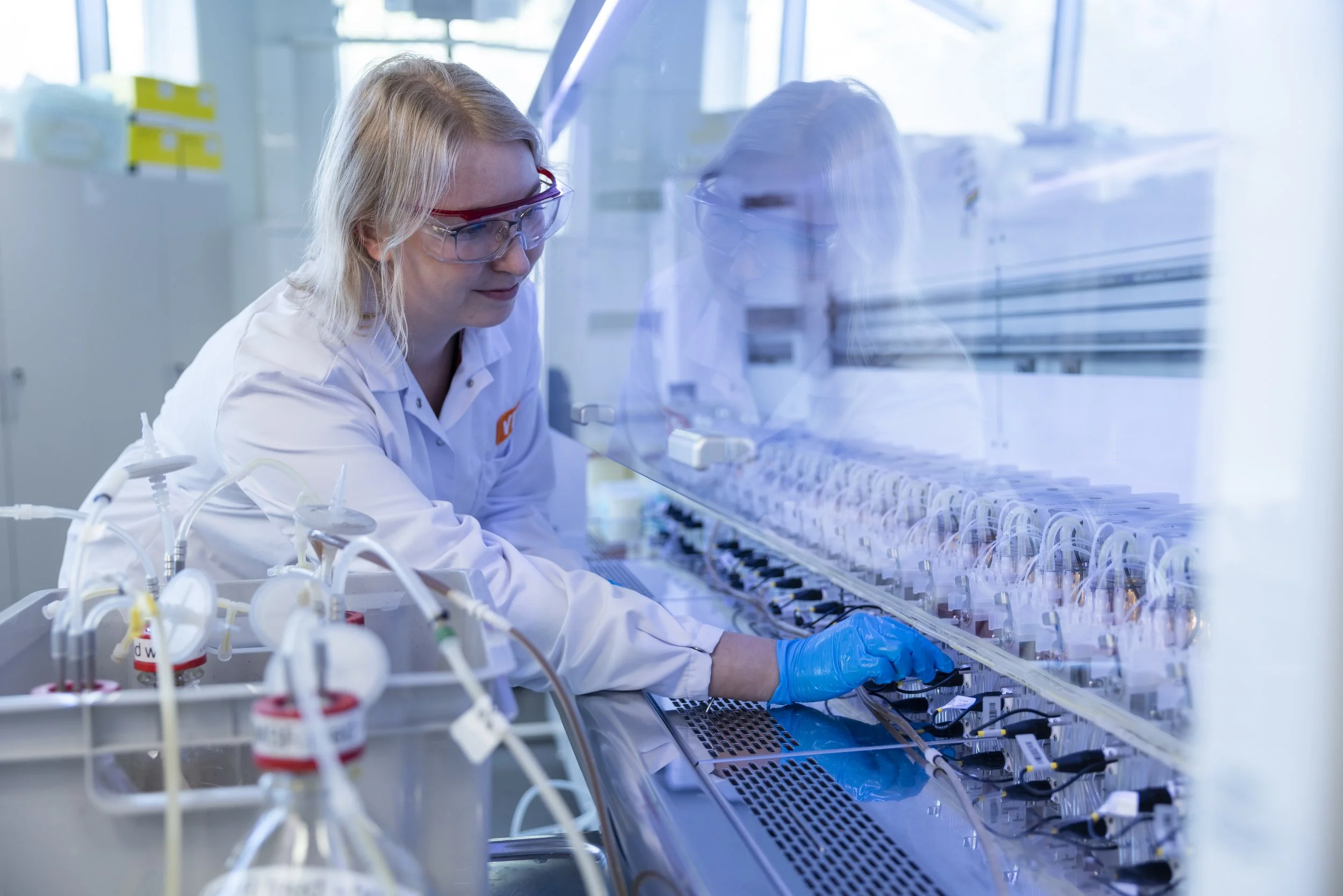
With our extensive infrastructure, we can design highly customized research projects to meet our clients’ needs. Our strain engineering capabilities are supported by an automated high-throughput robotic platform that streamlines molecular biology and screening.
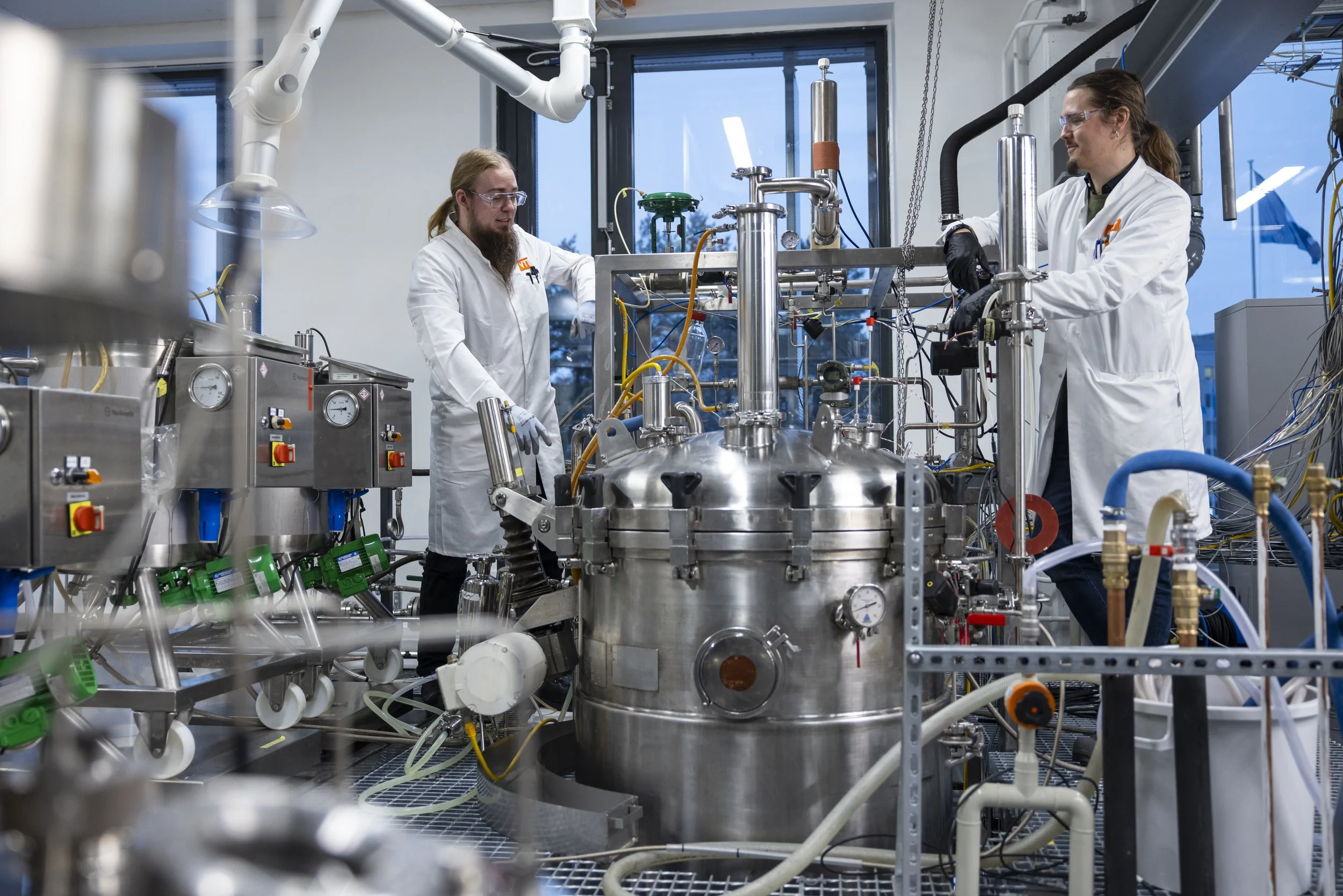
We operate more than 80 bioreactors ranging from small-scale 250 ml units to a 1,200-liter pilot-scale bioreactor, enabling reliable process scale-up. In the small-scale Sartorius Ambr system, we can run up to 48 parallel bioreactor runs for efficient optimization of bioprocess conditions.
For downstream processing, we can build customized lines with separation and filtration steps to purify the target product. While our focus is on submerged liquid fermentation, we can also support other approaches, such as solid-state fermentation.

Credit: Enifer
Credit: Onego Bio
Credit: VTT
What is the potential of fungi for innovation across diverse sectors, leading to better environmental impact?
Fungi thrive in diverse environments and exhibit remarkable phenotypes and complex metabolic capabilities. These properties remain largely untapped in biotechnology, making fungal research a promising platform for innovation.
The pharmaceutical industry, for example, has a long history with yeasts as production hosts, and filamentous fungi are now entering the field with potential for more affordable and sustainable drugs. The precision fermentation industry already benefits from fungi’s ability to yield high-quality proteins, while fungal biomass contributes to sustainability goals as a source of food and materials.
Fungal secondary metabolites also hold potential as high-value ingredients and biocontrol agents. At the same time, it’s important to note that not all fungi are benign, climate change is accelerating the spread of pathogenic fungi that threaten plants and animals. Therefore, research into novel antifungal solutions remains essential.
What advice would you give to fungi startups and science entrepreneurs?
I would offer at least three pieces of advice:
Prove your concept. To attract investors, demonstrate a feasible proof-of-concept at a meaningful scale. A compelling story alone is not enough, show that your technology works in practice.
Know your position. Define your business case and place in the value chain, from feedstock to end product. Identify key partners early for development and commercialization, don’t try to do everything yourself.
Plan for scale. Especially for commodity products or ingredients, economic viability often depends on operating your own production facility.
What is the most innovative fungal solution you’ve seen addressing environmental challenges?
There are many fascinating fungal innovations. One example is the Korvaa project, where a team created headphones using materials grown by microbes instead of fossil-based plastics and leather. Fungal mycelium replaced leather, while proteins from Trichoderma reesei formed the foamy padding. The project demonstrated how fungal biotechnology can literally “grow” everyday products, highlighting its potential for sustainable design.
Another exciting example is the use of genetically engineered fungi to produce sweet proteins such as brazzein, a protein originally found in the oubli plant that is 500 to 2,000 times sweeter than sugar. We’ve successfully produced this protein at meaningful scales in bioreactors using fungal hosts.
This innovation has both health and environmental benefits: sweet proteins are virtually calorie-free, don’t spike blood sugar, reduce dental risks, and can help tackle obesity. They also offer a sustainable alternative to traditional sugar production, which is land- and resource-intensive.
Why have we seen an acceleration in fungal innovations in recent years, and how do you see the field evolving in the next decade?
Recent innovations build on decades of groundwork by academic researchers and industry pioneers. Successful examples have inspired a new wave of entrepreneurs and scientists eager to harness these versatile organisms for sustainable manufacturing.
To sustain this momentum, the field needs strong funding from governments, organizations, and venture capital, as well as policies ensuring safety and broad dissemination of these applications. Perhaps most importantly, market acceptance is key. Consumers must recognize the exceptional benefits of fungal-based products to support their wider adoption.
How can startups interested in cooperating with VTT reach out?
Startups can simply contact our experts or commercial operations team to start the conversation. From there, we’ll bring together the right experts to understand their needs and goals and explore how VTT can best support them. These discussions often lead to jointly planned proof-of-concept studies to generate the evidence needed for scaling technologies.
VTT can support partners all the way, from the lab bench to piloting at an industrially relevant scale.
Reach out to VTT: Erkka Seraste, Solution Sales Lead — erkka.seraste@vtt.fi