Where Ancient Fungi Meet Modern Parenting
We spoke with Miki Agrawal, co-founder of HIRO Technologies, a regenerative biotech company using plastic-eating fungi to tackle one of the biggest hidden contributors to the global plastic crisis: soft plastics.
This year, HIRO earned third place in the Future is Fungi Startup Awards for their groundbreaking work transforming everyday waste into something regenerative.
We started with diapers because they are the number one household plastic waste item and take over 400 years to break down. In the United States alone, 18–27 billion diapers are discarded each year, and over 100 billion globally. These plastics quietly pile up in landfills, creating a problem that has long seemed impossible to solve.
HIRO created the world’s first Mycodigestible™ diaper—see HiroDiapers.com. It’s a high-performing, ultra-clean, unbleached diaper that includes a small pouch of friendly fungi. Parents add the pouch during diaper changes, and when the diaper is tossed in the trash, landfill conditions wake the fungi up. The fungi then start digesting both the plastics and the waste, turning a 400-year problem into mycelium-rich soil and biomatter in under 12 months.
HIRO’s mission is where ancient myco-intelligence meets modern parenting. By letting nature do what it has done for millions of years, HIRO is proving that waste doesn’t have to last forever—it can regenerate, nurture, and grow.
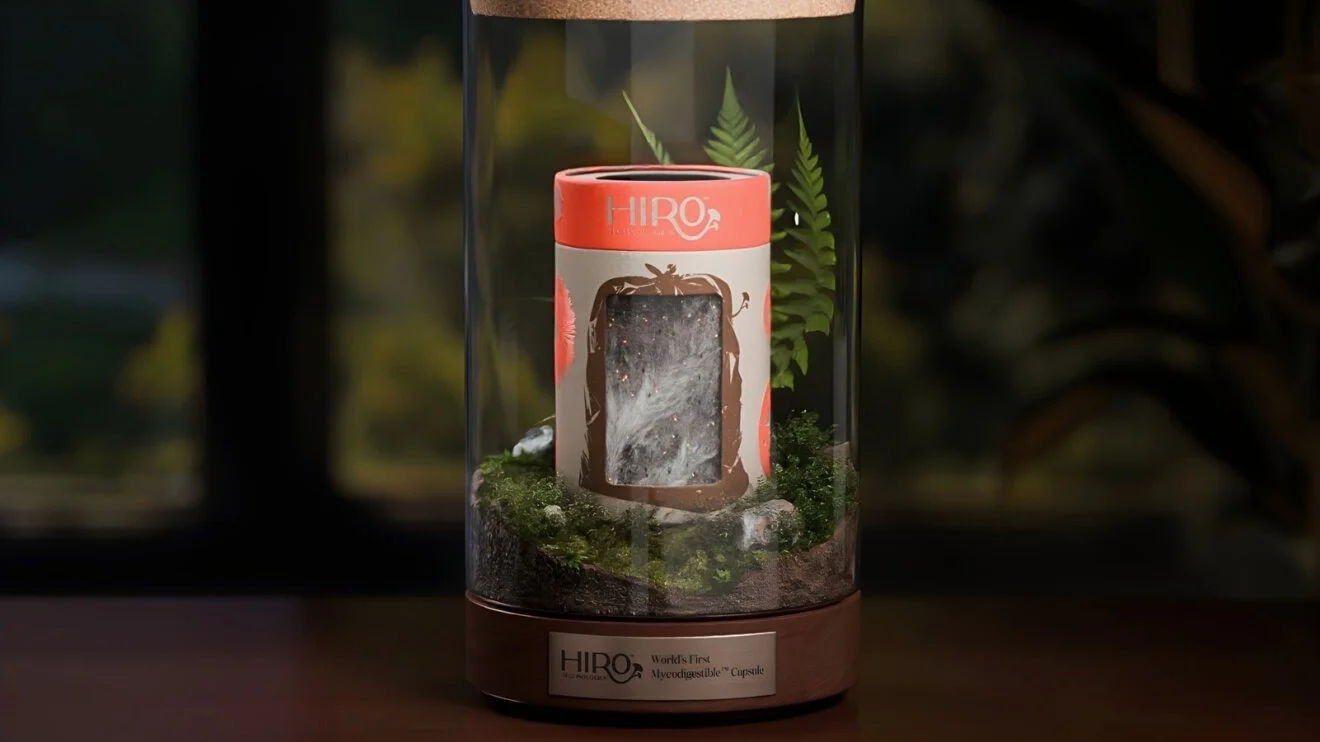
Image Credit: HIRO Technologies
What real-world environmental problem are you determined to solve through your innovation?
Soft plastics. The silent, shapeless waste stream no one wants to deal with.
Diapers are the perfect example. They are made of multiple fossil fuel based plastic components. They never go away. They break into microplastics that end up in oceans, in our soil, and even in our bodies.
Fungi spit out enzymes that can digest the carbon of the plastic leaving no microplastics.
If we can solve diapers, we can tackle every category of soft plastic that people use daily. HIRO is building a fungi powered technology platform that can address plastics in absorbent hygiene, packaging, textiles, and more.
HIRO Diapers sit at the intersection of early childhood health, human waste, and planetary health. It is a massive opportunity to make real change, starting from day 1 of a child’s life.
What inspired you to start working with fungi?
Two things collided.
First, I have built brands around taboo topics. Periods. Poop. And now as a mom - diapers. I learned that if we want to solve the big environmental crises, we have to start by going straight to the everyday essential products.
Second, when I learned that certain fungi can digest some of the toughest plastics on Earth, I was blown open. Nature already had the answer all along. We simply needed to design a bridge between ancient fungi’s myco-intelligence and everyday human behavior.
HIRO was born from that spark.
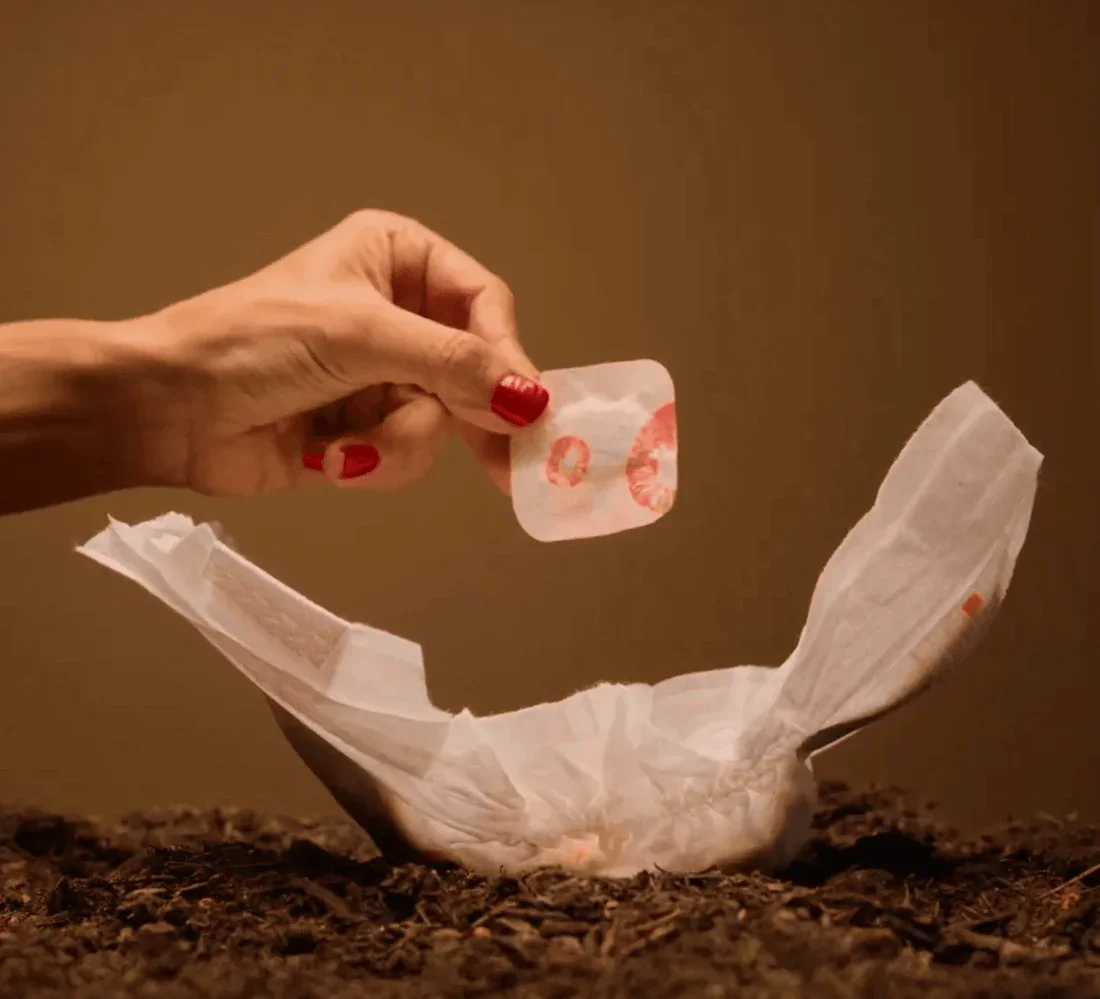
HIRO Technologies diaper, courtesy of Hiro Technologies
What has been your most defining breakthrough or turning point so far?
The breakthrough was learning how to safely bring plastic-eating fungi into the real world in a way that fits seamlessly into busy modern parenting.
We spent four and a half years designing every single layer of the diaper to be cleaner, softer, safer and dramatically lower plastic compared to leading brands. Up to fifty percent less plastic. Unbleached materials. No toxic blue line. No unnecessary bamboo greenwashing.
And alongside that, we developed the HIRO Pouch. A small, shelf-stable pouch filled with our proprietary fungal blend that activates only in landfill conditions. This was the moment everything clicked.
It made fungi accessible. Practical. Scalable. And safe.
What are your next big steps and where do you see HIRO in five years?
I see HIRO’s fungi platform moving far beyond diapers.
In the next 3 years, we will apply our Mycodigestible technology to other soft plastic categories. Hygiene products. Single use packaging. Textile blends. Industrial waste streams.
HIRO will become synonymous with nature powered plastic digestion.
We will continue to partner with scientists, waste infrastructure, and global brands to bring fungi into the mainstream. And every diaper we sell today builds the scientific and behavioral foundation for the next chapter.
What kind of support would help accelerate your innovation?
Three things.
Scientific collaboration. Industry partnerships. And catalytic funding.
We are building a frontier biotech company with household products as the on ramp. To accelerate our work, we welcome support from:
• Polymer scientists and biodegradation labs
• Waste management and landfill partners
• Material innovation funds
• Existing manufacturers who are excited to pilot and produce with frontier and safe myco-technology
• Climate investors
• Government and policy groups
• Global brands willing to rethink their plastic footprints
The more coordinated the ecosystem, the faster fungi can do their work.
What challenges lie ahead?
Scaling any breakthrough technology inside legacy waste systems is a challenge. Landfills vary. Regulations vary. Moisture and oxygen vary.
But this is exactly why collaboration matters. We are building real world data with landfill operators, scientists, parents, and material experts.
We welcome partners who want to help us create new standards for verifying mycodigestion and measuring true end of life impact.
This is not a competition. This is a collective invitation.
What’s your ultimate vision for the role of fungi in the future of biotech?
Fungi are the original decomposers of Earth. They are nature’s quiet recyclers.
My vision is a world where mycodigestion is built into everyday products. Where we use mycotechnology as a regenerative tool to turn our waste back into life. Where biotech shifts from extractive to collaborative.
A world where humans stop fighting nature and finally partner with it.
What does winning The Future is Fungi Award mean to your team?
It is an enormous honor and a powerful validation of the work we have dedicated ourselves to.
This award tells the world that fungi based plastic digestion is not just a quirky idea. It is a real, scalable solution.
It brings credibility, visibility, and community to our mission. And it fuels our team with even more devotion to bring this innovation to millions of families and to the planet.
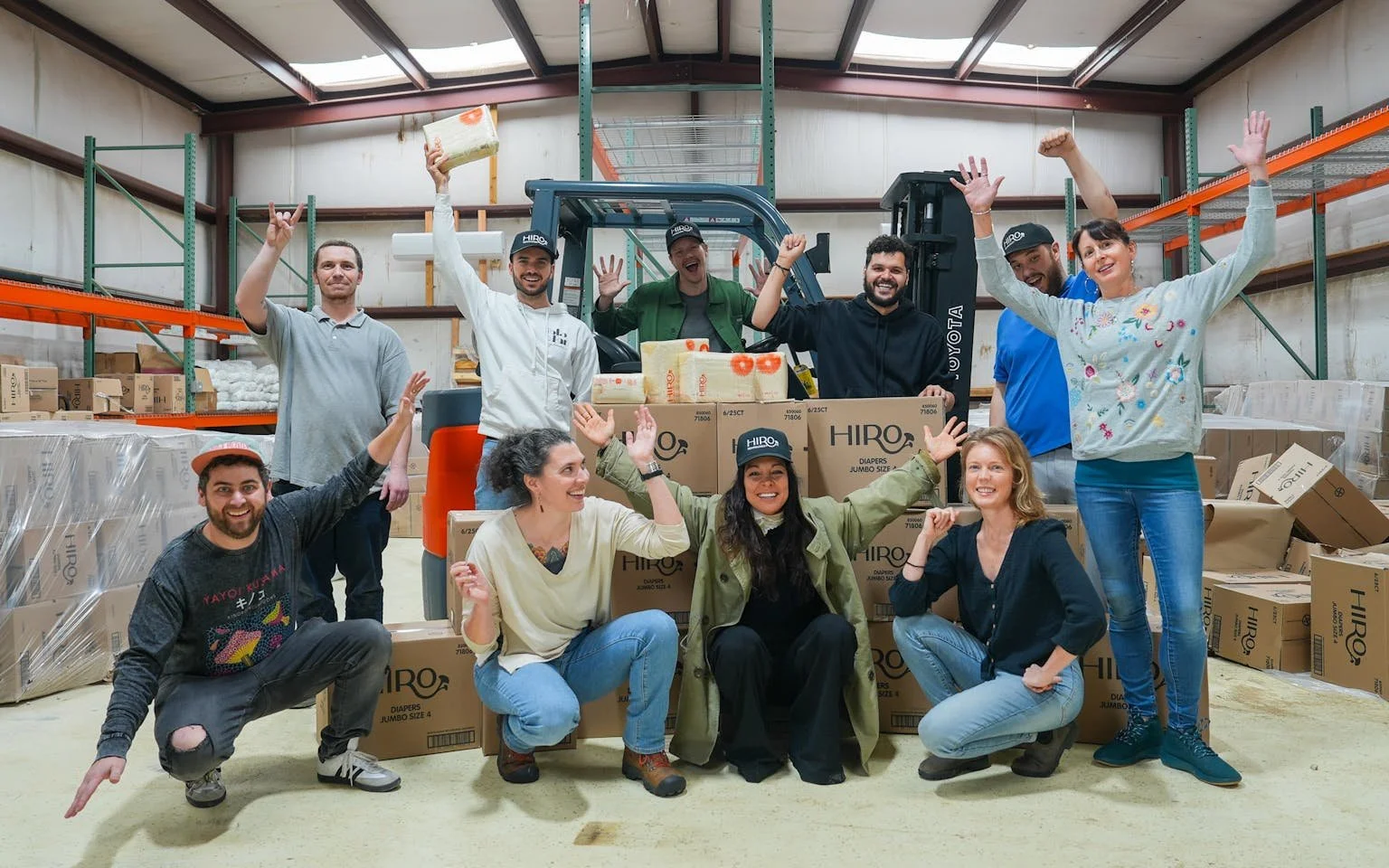
The HIRO Technologies team, courtesy of Hiro Technologies
What would you say to future applicants considering applying?
Follow the thread of what feels impossible. If nature is involved, it is usually more possible than you think.
Winning this award is a huge affirmation that nature based biotech is the future. With this recognition, we can scale our HIRO Mycodigestible technology faster and bring fungi powered solutions to millions of families and to the planet. We are excited by the possibilities of what that means for the overall ecosystem where humans and nature can truly live symbiotically today and beyond.
Let your curiosity guide you. Build with humility. Partner with people who love the planet as much as you do. And trust that fungi will surprise you again and again.
