Scaling the Potential of Fungal Compounds
Many everyday ingredients still rely on fossil-based or environmentally harmful supply chains, while truly sustainable alternatives often fall short on performance or scalability.
We spoke with Britta and Niels, co-founders of Mycolever, about how their startup is unlocking the hidden potential of fungi to create high-performance, sustainable bio-solutions. In this article, they share their vision, their first commercial product, and how they are transforming fungal biodiversity into industrially relevant ingredients that can replace high-footprint materials
Transforming fungal potential into industrial innovation
Mycolever is a biotechnology startup developing fungal-derived ingredients through an integrated platform that combines AI-powered compound discovery with fermentation-based production. Its approach enables faster pathways from fungal biodiversity to market-ready, sustainable ingredients, helping brands replace high-footprint materials and accelerate the transition toward a resilient bioeconomy.
Their fungal biocompound platform and initial product ingredients are supported by two public funding programs from North Rhine-Westphalia—Grüne Gründungen.IN.NRW and Green Economy.IN.NRW, co-financed by the EU to advance innovative climate solutions.
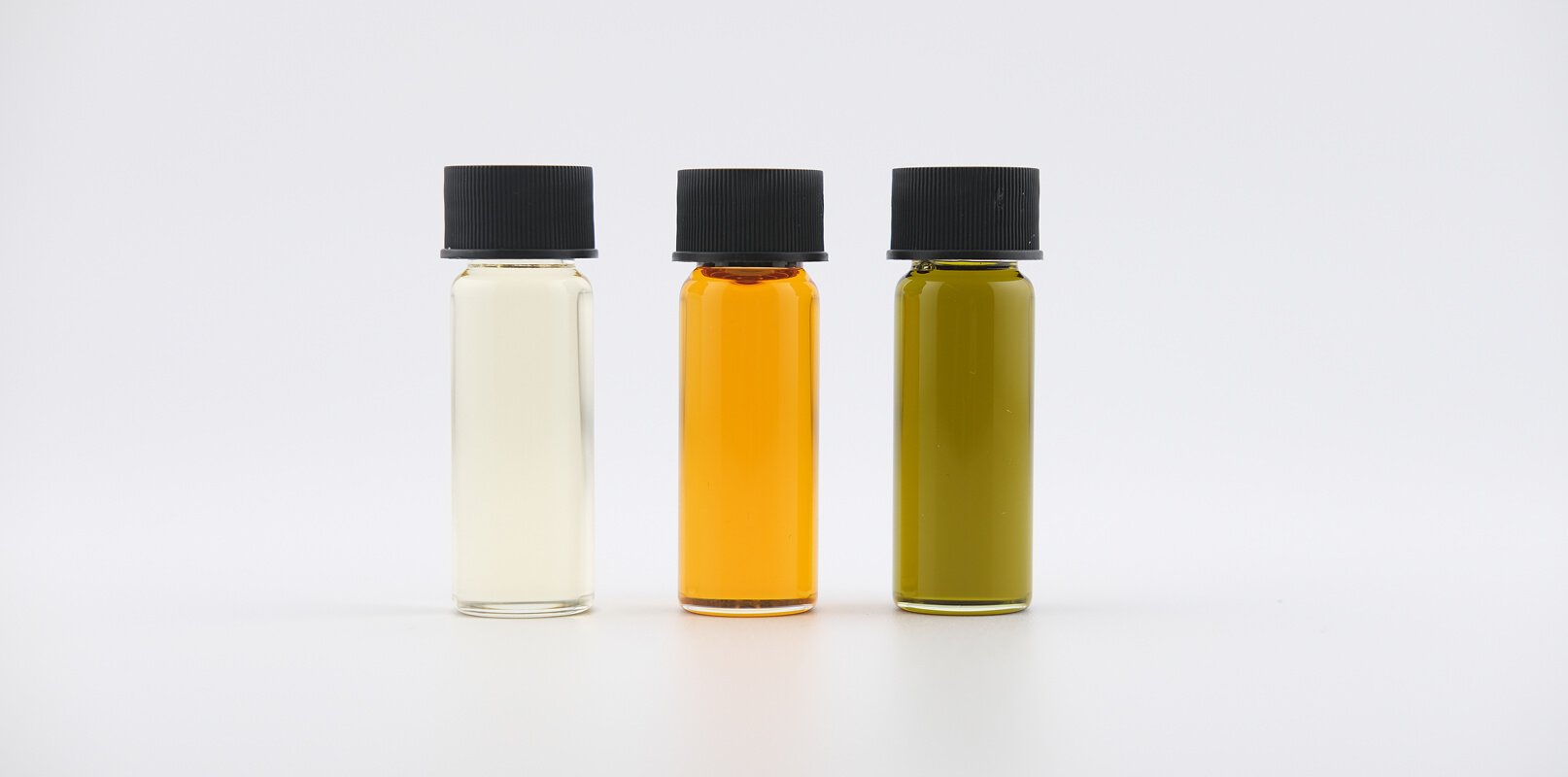
Image Credit: Mycolever
What real-world environmental problem are you determined to solve through your innovation?
At Mycolever, our broader vision is to replace unsustainable, low-performing, or high-footprint ingredients with eco-friendly fungal bio-solutions, empowering brands to create products that are better for people and the planet. We want to transform ingredient supply chains and enable a regenerative bioeconomy with scalable, high-performance fungal compounds.
Our first product is a fungal glycolipid biosurfactant, part of the broader surfactant category used across personal care, cosmetics, and home care. Globally, industries consume 20 million tons of surfactants every year, largely produced from fossil feedstocks or palm oil. This drives high CO₂ emissions, deforestation, biodiversity loss, and persistent pollution.
At the same time, brands face a real-world performance, cost-effectiveness and availability gaps: Even with strong sustainability commitments, industry leaders in personal care and cosmetics struggle to find sustainable alternatives that match petrochemical ingredients in performance, consistency, and price. This lack of viable substitutes or entirely new innovative approaches slows their transition to cleaner formulations.
Our fermented glycolipid biosurfactant directly addresses this challenge. It delivers high performance, stable quality, competitive economics, and over 80% lower carbon footprint. Produced through controlled fermentation using sugars and side streams, it avoids land-intensive agriculture, enables decentralized and resilient production, and significantly reduces environmental impact. This accelerates replacement of high-footprint materials and the shift towards a regenerative, resilient bioeconomy.
What inspired you to start working with fungi?
Britta: Since my undergraduate studies, I’ve been fascinated by fungal biodiversity and their ability to produce a wide range of compounds. This passion led me to pursue a PhD at the Max Planck Institute in Marburg and a postdoctoral position at the Australian National University in Canberra, where I studied the interaction of plant-pathogenic fungi with their hosts. For years, I envisioned an academic career, but in 2019 I took a different path and co-founded Formo Bio, serving as Chief Scientific Officer and gaining my first experience as an entrepreneur. After leaving Formo, I immediately decided to build another startup, this time fully dedicated to my long-standing passion for fungal microorganisms and their potential to revolutionise biotechnology.
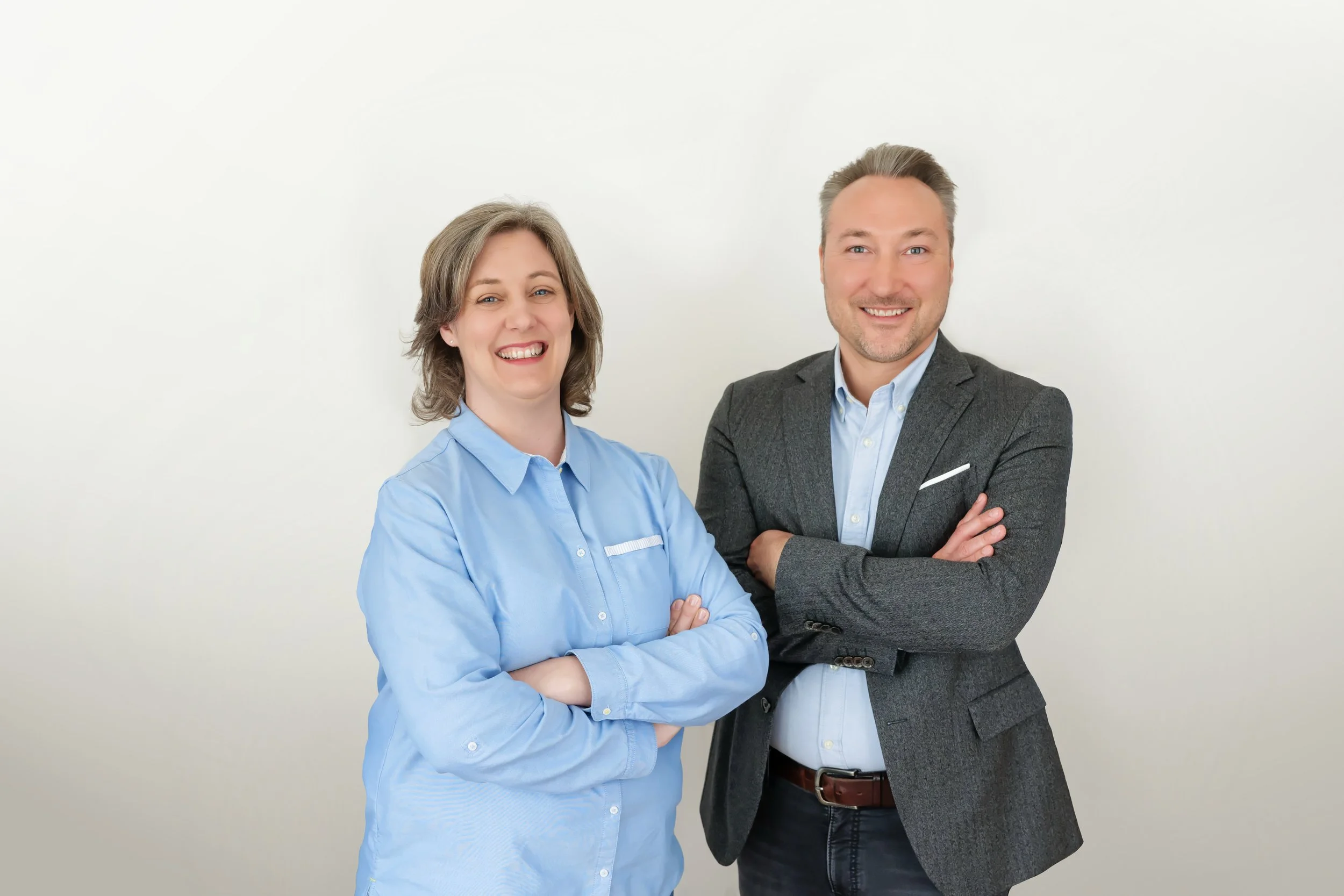
Dr. Britta Winterberg and Niels Dietzsch co-founders of Mycolever.
Niels: I’ve been fascinated by biology from early on, growing up in a family of medical doctors and studying biology as a major in my A-levels. Studying business and industrial engineering at TUM, combined with exposure to entrepreneurship at UnternehmerTUM, sparked a lasting interest in innovation, technology, and sustainability.
My career then led me into industrial IoT, data science/AI, and ultimately deeper into food and agriculture solutions. After my time in consulting and venture capital, I joined Fraunhofer Venture to support deep-tech ventures across AI, IoT, and AgriFood. As a co-founder of the German AgriFood Society and an investment board advisor at Rentenbank, I saw firsthand how fermentation and biotech were reshaping the food sector. It became clear that biotechnology’s next wave would expand far beyond pharma and food into many other industries.
At the same time, the fungal kingdom stood out, massively underexplored yet exceptionally powerful. With enabling technologies such as AI, bio- and cheminformatics, and high-throughput analytics, we can accelerate discovery and fermentation R&D in ways that were previously impossible. The coming decade will fundamentally redefine what the bioeconomy can achieve.
Fungi offer immense potential to create high-performance, sustainable biosolutions with real industrial and commercial relevance. Contributing to this shift toward more bio-based, performant, and economically scalable solutions is what motivates me deeply.
What has been your most defining breakthrough or turning point so far?
One of the most defining turning points in developing our innovation was showcasing our products at international trade fairs. Presenting our pure glycolipids and product platform - as a multi-functional, bio-active and sustainable ingredient for personal care & cosmetics, with an extension of our fermentation platform to fermented bioactivated beauty oils - to a global audience validated the uniqueness and market potential of our technology. These events not only attracted industry interest but also confirmed that our approach resonates with customers and partners.
Equally transformative was optimising our bioprocess protocols for upscaling. Moving from lab-scale experiments to processes ready for industrial production marked a critical milestone. It demonstrated that our innovation is not just scientifically sound but commercially viable, paving the way for large-scale impact.
What are your next big steps and where do you see Mycolvever in five years?
Our next big steps focus on scaling and expanding the impact of our fungal innovation. We are building a biocompound discovery platform that will regularly identify new fungal-derived compounds. This will enable the development of sustainable ingredients for a wide range of applications in personal care, cosmetics, and home care, creating a pipeline of eco-friendly solutions.
In parallel, we aim to achieve industrial-scale production of MycoSurf, our pure biosurfactant, and establish its use as an emulsifier in cosmetic formulations. This milestone will accelerate the transition to sustainable consumer products and demonstrate the commercial viability of fungi-based biotechnology.
What kind of support would help accelerate your innovation?
Customer and distributor introductions in the personal care and cosmetics sectors to help us bring our sustainable ingredients to market quickly and effectively.
Scale-up partnerships for bioprocess development, enabling us to transition from pilot-scale to full industrial production and ensure consistent quality at scale.
Connections to industry leaders who can provide strategic insights, open doors to collaborations, and help us shape the future of sustainable beauty and home care.
What challenges lie ahead?
One of the main challenges ahead is scaling our bioprocesses from pilot to industrial production while maintaining consistency, efficiency, and sustainability. Upscaling fermentation systems for fungal biotechnology requires significant technical expertise and infrastructure, which can be resource-intensive.
Another challenge is market penetration and customer adoption. Introducing novel bio-based ingredients into established supply chains in personal care and cosmetics demands strong partnerships and trust-building with industry leaders.
What’s your ultimate vision for the role of fungi in the future of biotech?
At Mycolever, we believe that fungi are the key to the industrial bioeconomy. Fungi are nature’s master chemists, capable of producing an extraordinary diversity of compounds through sustainable processes. Unlike traditional petrochemical-based production, fungal biotechnology offers a path to create high-performance ingredients with a minimal environmental footprint.
We see fungi powering next-generation biomanufacturing platforms that replace synthetic chemicals with bio-based alternatives across multiple sectors—personal care, food, agriculture, and even materials science. Their versatility enables the discovery of novel molecules, enzymes, and polymers that can transform how we design consumer products, packaging, and industrial processes.
In the future, fungal innovation will not only drive circular and regenerative economies but also unlock new value chains, where waste streams become feedstocks and production is decentralised, efficient, and climate-positive. Ultimately, fungi will be recognised as a key enabler of a global shift from fossil-based industries to a sustainable bioeconomy.
What does winning The Future is Fungi Award mean to your team?
Winning The Future is Fungi Award is a meaningful milestone for us at this stage of our journey. It brings visibility to our mission to harness the power of fungi for sustainable innovation and helps us reach partners, customers, and investors who share this vision. It also strengthens our network, connecting us with a global community of experts, industry leaders, and fellow innovators whose collaboration is essential to scaling fungal technologies and advancing the bioeconomy.
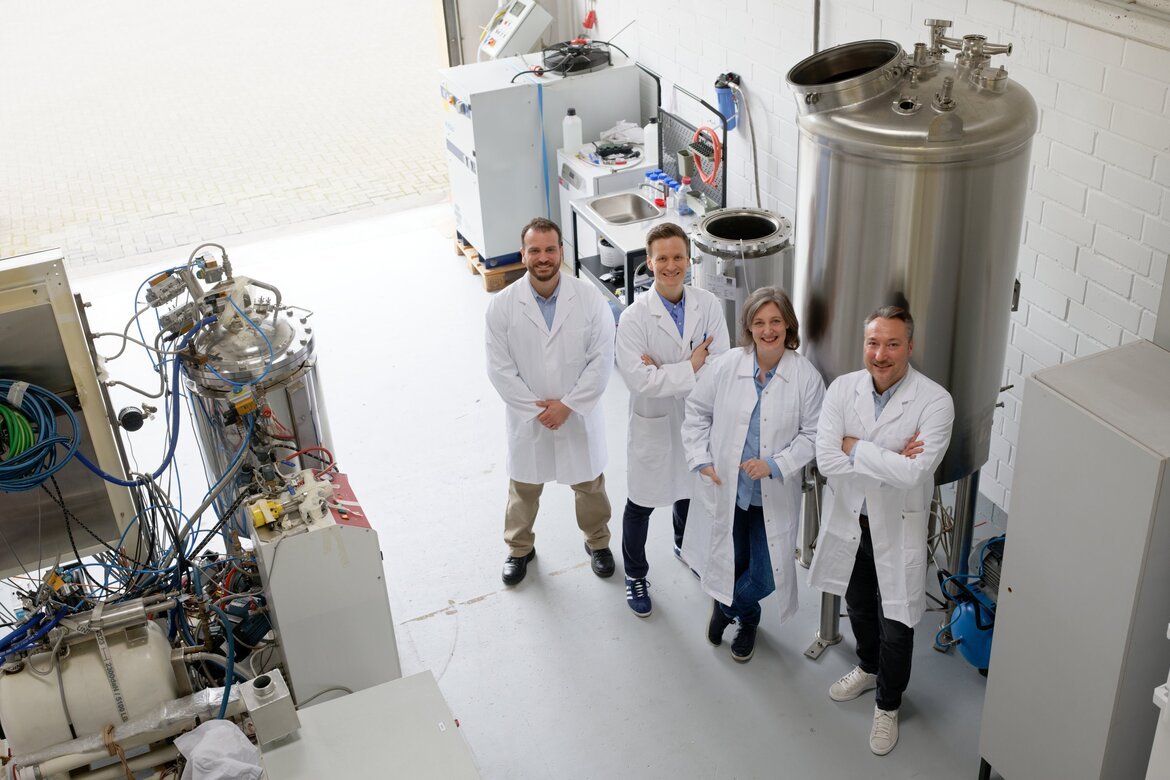
The Mycolever team at the Mycolever GmbH laboratory Image credit: umwelt wirtschaft
But beyond the recognition, this award is deeply motivating for our team. It honors the tireless work everyone has put into building our vision, often far beyond what is visible from the outside. It gives us momentum to keep pushing, to build the ecosystem needed for fungal biotechnology to thrive, and to shine a light on the enormous untapped potential within the fungal kingdom.
In many ways, it feels like the “Oscars” of the fungal world, an uplifting confirmation that we are on the right path at a pivotal moment. It energizes us to keep going, keep creating, and keep unlocking what fungi can enable for sustainable and high-performance solutions.
What would you say to future applicants considering applying?
To future applicants, our advice is simple: go for it. If you’re passionate about fungi and believe in their potential to transform industries, this award is an incredible opportunity. Don’t hesitate to share your vision boldly, highlight what makes your innovation unique and why it matters for a sustainable future.
